
FREE browser VPN comparison: Proton, Opera and Firefox
If you don’t need the VPN service to anything outside of your browser there are multiple different solutions available. In this article we are digging into 3 options that can be used for free in the browser. I also wanted to include a quick recap of the monetisation models companies use for providing the service. Let’s get to it!
Proton VPN
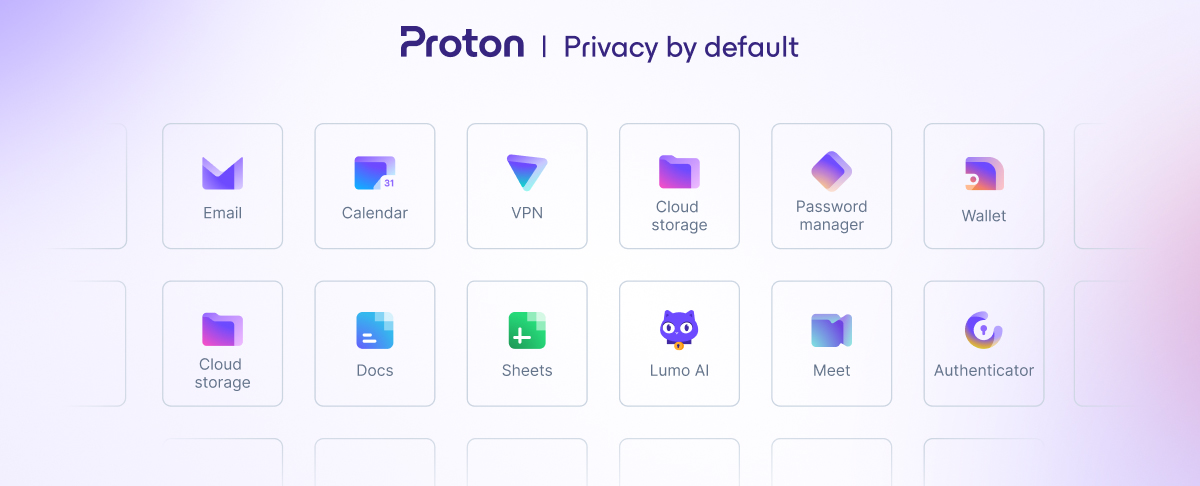
Proton VPN is developed by Proton AG that is a community-owned company based in Switzerland. The company uses a freemium privacy model so they cover operational costs of the free tier with premium subscribers. They believe in privacy being a fundamental human right.
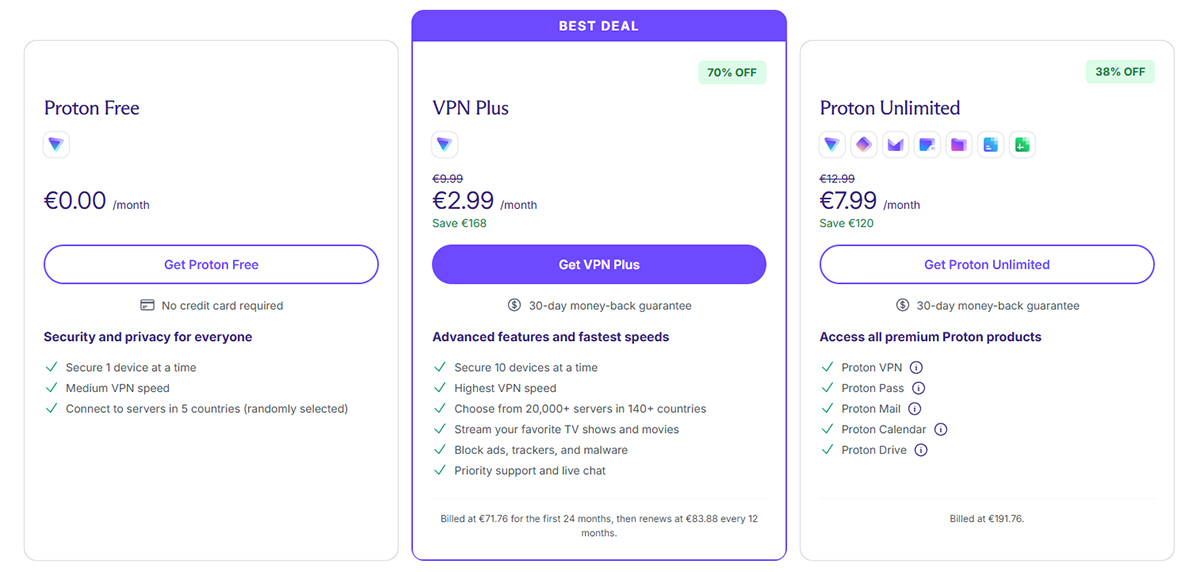
There’s no data limit on free tier but it caps speed and randomly assigns you to servers in only 5 countries. Proton VPN requires user account and selecting VPN location is available in Premium subscription.
However – if you want to protect for the whole device you will need to install a separate application after purchase. The browser add-on allows you to select countries freely if you’re logged in with Premium-version paid but tunnels only the browser traffic through the VPN service without app.
Opera VPN

Opera is owned by Opera Ltd which is controlled by a Chinese consortium. It’s publicly listed in the NASDAQ (an American stock exchange as OPRA). Headquarters is located in Oslo, Norway. Opera uses revenue-shared model and advertising to cover it’s operations. The free built-in VPN in browser works as a hook to attract users for their partners and expand their overall ad audience.
Free but business-oriented
Opera’s VPN is entirely free but they have introduced premium add-ons for users wanting global device protection. So even though Opera VPN doesn’t save logs Opera browser collects analytics and usage information for commercial use.Using Opera VPN doesn’t require a user account. Location can be determined with “Optimal Location” – selection or with choosing Continent-level selection for Europe, Asia or the America.
Firefox VPN

Firefox VPN for the browser became free in March of this year. It was published in browser update version 149. Firefox browser is a product of Mozilla company.
Mozilla consists of a US-based foundation and a corporation. Biggest funding for their operational costs comes from Google, Yadex and other search engine giants. They pay Mozilla to be the default search engine in the Firefox browser. Firefox browser tabs also have sponsored links displayed on them that bring ad revenue to the company.
What’s free and Summer campaign 2026
Using Firefox VPN requires Mozilla-account to follow the monthly data usage. The free version offers 50 gigabytes free data per month. In comparison for example MS Edge offers only 5 Gb and Windscibe 10Gb data use monthly.
With the free version you can select server to use. Mozilla has a summer campaign this summer 2026 that offers free data usage and servers from 25 countries to choose from. The campaign ends with August and data limit and limited server options (US, Britain, Germany, France and Canada) for free users come back in September. Mozilla offers also a paid, separate VPN application to secure whole machines.
Conclusion:
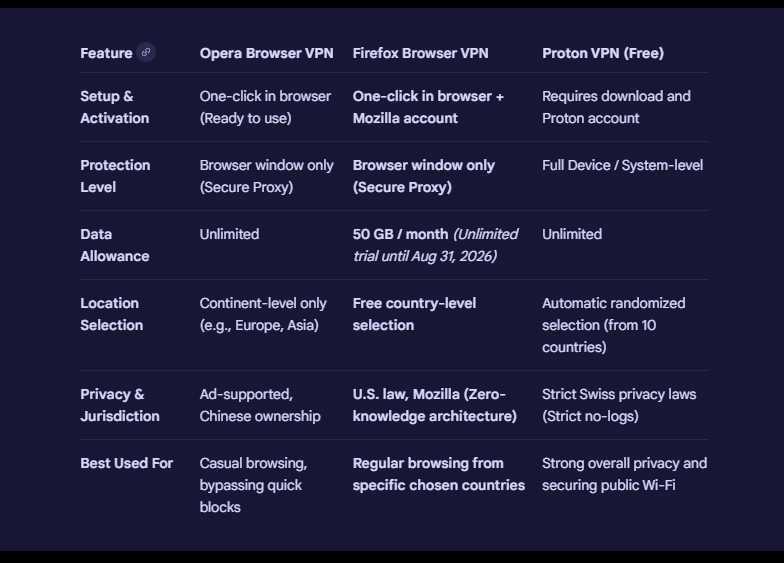
Location of the used VPN server of course can affect the speed. The closer the server is the faster data travels. In the regard Firefox shines with the options to choose from in the free model. Opera gives continental choice. Proton’s free version connects you to a server that’s not chosen by the user but gives the option to change server with one click.
Firefox seems more reliable without commercially-funded data analytics than Opera and Proton’s freemium model speaks for it’s principles of privacy. Opera is easiest to setup since it doesn’t require registration.
So the choice comes down to what you value. Personally I’ve chosen to stick with proton for privacy standpoint. If I’m ever touching app like Discord again I’ll be using it on a separate browser I normally use with Proton VPN on.
If you’re really privacy-oriented individual you might already be aware that US-based companies are legally required to hand over user data when compelled by US authorities. Ehis applies even for user data collected entirely outside US borders.