Should we pay for editing software?
Recently there’s been a lot of discussion about people vibe coding software to be shared for free as open source trying to replace some monetised software. Biggest discussion at the moment probably surrounds Adobe. Especially Photoshop has dominated the as digital image editing standard in the industry for over 2 decades. In the age of AI when people can vibe code some apps themselves the question is – what are we paying for when getting the corporation-made software?
What we (at least used to) get
Free options like GIMP have already been available for a long time. Clear UI and cross compatibility with other Adobe products have been widely seen as a benefit for using Adobe software. I can take something from Adobe Illustrator with a copy (Ctrl + C) command and paste it (Ctrl + V) to Photoshop. And that’s just a one practical example. Adobe products are designed to have seamless workflow when using them together and that makes them feel effortless to use compared to all of the free alternatives.
Another thing is that people in the industry have used Adobe software for a really long time. It feels easier to just pay the subscription instead of taking the time to learn the alternatives. People that aren’t accustomed to using Adobe software might be more fluent to pick up on an alternative but some people in worklife just wanna do their part and go home.
Does AI change the game?
The question is bigger than just Adobe but the company is a good example of the shift in modern era. If the company is trying to cut corners with using AI too heavily on coding the software without having enough quality control and AI tools are also accessible to the users – why not just code free alternative? Why pay for the product?
There is also variety of AI apps and filters widely available for small image touch ups. So if the user only wants to look like a cleaner version of themselves they can already do that without a subscription by using to some so-called freemium software. Many apps have even their own built-in filters for quick editing. Young influencers won’t necessarily see any point in climbing the learning curve of a more complicated software for those purposes.
Article about the subject: https://www.socialmediatoday.com/news/new-report-looks-at-which-tools-and-creation-apps-are-most-popular-among-in/569379/
My mixed take on editing software
I’m certainly a product of the era I’ve lived – a millennial. Worked for a moment with graphic design and I have a media degree. Spent almost 2 decades making digital art and editing photos as a hobby. If I’d work as a graphic designer or something like that in today’s landscape I’d want to use Adobe Photoshop for more ambitious work. But I’d get accustomed to use mobile freemium apps too if the company budget would be ridiculously non-existent (startup). I’m not judging anyone. The best choice is to pick the solution that answers to user needs most appropriately.
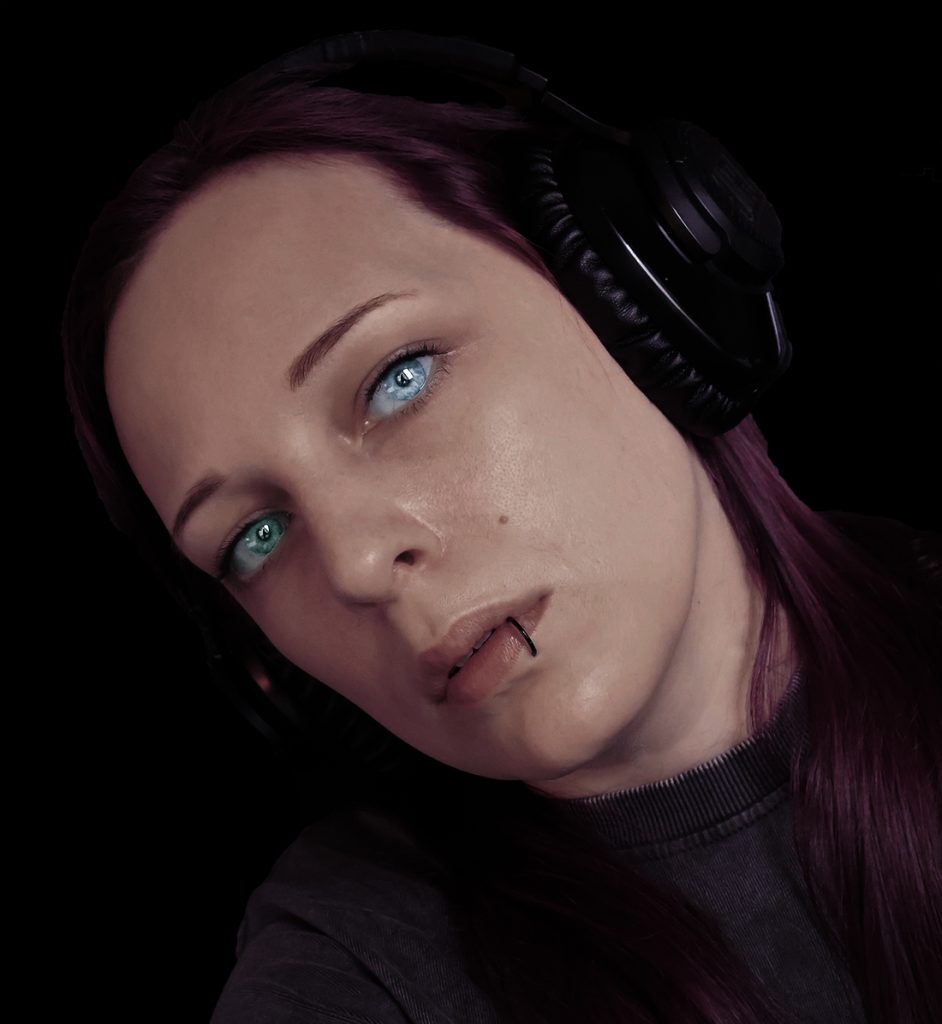
However, on the artistic perspective of photo editing – I’d really love to see desktop software photo editing as an art form in the future. The AI generated crap is getting boring. When filters take bits and parts of an image bank and mesh them up with the user-given photo people look less like themselves. If you’re going to make yourself look like another being why not take it further and make it look more interesting?
Let’s make photo editing fun again!
Read also: Vulnerability discussion around Microsoft brings up the question about responsibilities